AI Tools vs Human Writers – What’s Best for UK Students?
Introduction
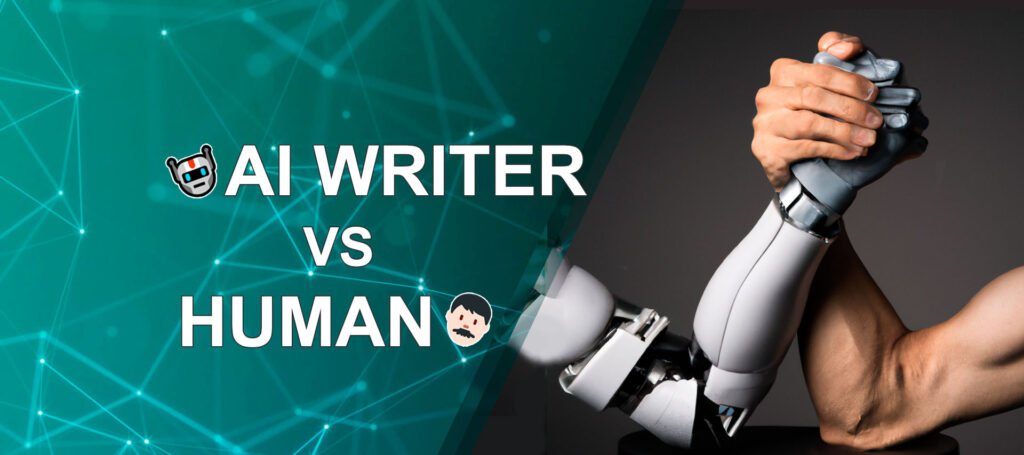
AI (Artificial Intelligence) applications such as ChatGPT, Grammarly, and Jasper are transforming how students in the UK write academic papers. They can write essays, correct grammar, and generate outlines in seconds. But can AI truly replace human writers in meeting UK academic standards?
The answer is — not entirely. AI tools assist with brainstorming, summarising, and improving language flow, but they lack originality, proper referencing, and critical thinking. Universities value knowledge, source synthesis, and independent argumentation, areas where AI often fails.
Where AI Helps (Brainstorming, Outlines, Grammar)
AI supports students by providing quick ideas, essay structures, and grammar corrections. It’s particularly useful for overcoming writer’s block or improving flow.
- Brainstorming: Generate essay topics and subpoints instantly.
- Essay Structure: Create UK-style outlines for essays and dissertations.
- Grammar & Flow: Use tools like Grammarly or QuillBot to refine clarity.
- Paraphrasing: Simplify complex texts while retaining meaning (always cite!).
- Time Management: Automate drafting so you can focus on analysis and referencing.
Tip: Use AI as your assistant, not your author.
Where AI Falls Short (Originality, Citation, Critical Analysis)
- Originality and Critical Thinking: AI predicts text patterns but can’t reason or analyse like humans.
- Fake or Incorrect Citations: Many AI tools generate non-existent or wrong references.
- Contextual Inaccuracy: AI often misapplies theories or subject contexts.
- AI Detection Risks: UK universities use AI detectors alongside plagiarism tools.
- Ethical and Academic Risks: Submitting uncredited AI content counts as academic misconduct.
Turnitin, AI-Writing & UK University Policies
Turnitin now includes AI detection technology to identify machine-generated writing. It analyses sentence structure, vocabulary, and word predictability.
- AI Detection Limits: False positives can occur, but high AI scores trigger reviews.
- Policies: Most UK universities allow AI for grammar or formatting only.
- Transparency: Always declare AI use if required.
Best Practice: Use AI to draft and check grammar, then rewrite and verify with Turnitin.
The Hybrid Approach (Draft → Human Edit → Turnitin)
- AI Drafting: Use AI for outlines and ideas.
- Human Editing: Experts verify data accuracy, style, and referencing.
- Real References: Replace AI-suggested citations with real academic sources.
- Turnitin Check: Ensure originality before submission.
Result: A well-researched, original, and credible assignment.
When to Choose a Human Expert (Subject-Specific Work)
- Research Methodology: Requires human reasoning and interpretation.
- Literature Reviews: Human writers critically evaluate trends and gaps.
- Discipline Expertise: Law, Nursing, Engineering, Psychology demand real-world accuracy.
- Critical Evaluation: Human insight creates balanced, analytical essays.
- Dissertations: Long projects need supervision and original research — beyond AI’s scope.
Practical Tips to Stay Safe & Original
- Always rewrite AI text in your own words.
- Verify all references via Google Scholar or library databases.
- Get human academic editing before submission.
- Run Turnitin checks to confirm authenticity.
- Disclose AI use if your university requires it.
- Focus on learning — AI is a helper, not a replacement.
Conclusion
AI tools have changed how UK students approach assignments — but they cannot replace human expertise. AI aids idea generation, grammar, and clarity, while human writers ensure critical thinking, accuracy, and academic integrity.
The best approach is hybrid — combine AI’s efficiency with human quality assurance and Turnitin verification. That’s how you achieve authentic, high-quality, and ethical academic writing in the UK.